62%. That is the share of daily calories that most Indians derive from carbohydrates – one of the highest rates in the world. For decades, the global conversation about diet and metabolic disease has centred on fat and sugar in the Western diet. India’s epidemic tells a different story, and understanding it may be the most important thing the food industry can do right now.
India is home to more than 101 million people living with diabetes – the world’s second-largest diabetic population – and a further 136 million with pre-diabetes. These numbers did not emerge from guesswork. They come from the ICMR–INDIAB study, a 12-year national survey of over 120,000 adults nationwide. It is the most comprehensive epidemiological study of diabetes ever conducted anywhere in the world.
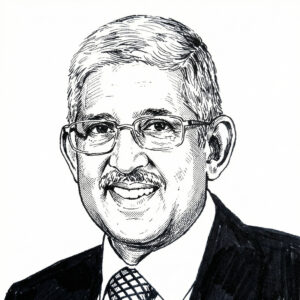
Dr V. Mohan, chairman of the Madras Diabetes Research Foundation in Chennai, is the study’s national coordinating investigator. He has spent over four decades treating diabetes clinically while simultaneously building the evidence base that now defines how India understands its own metabolic crisis. What that evidence shows is both urgent and instructive.
The carbohydrate finding is not, Mohan stresses, simply a story about too much sugar or too much rice. It is a story about quality, proportion and the failure of conventional nutrition messaging to confront the real structure of Indian diets.
‘The low quality of carbohydrates – white rice, refined grains, and added sugar – is directly associated with diabetes, prediabetes, and obesity,’ Mohan observes. ‘Simply switching from one cereal to another is not sufficient.’
The Nature Medicine analysis found that even a 5–10% shift from carbohydrate to protein can have measurable benefits on metabolic risk. Mohan’s recommended formula – half the plate with green, leafy, non-starchy vegetables, a quarter with plant protein, a quarter with complex carbohydrates – is not a clinical protocol. It is a practical redesign of the Indian thali, the everyday meal format that feeds a billion people.
But individual behaviour change is not enough. Mohan is clear that food manufacturers and policymakers carry significant responsibility. His research on advanced glycation end products (AGEs) – harmful compounds formed during frying, roasting and grilling – shows that metabolic harm is driven not only by what people eat, but also by how food is prepared. The food industry’s processing methods are a direct part of the problem.
When cigarettes were taxed heavily in India, smoking rates fell. The same principle applies to food
‘If unhealthy foods are taxed and healthy foods are subsidised, this would be a big step forward in reducing metabolic disease,’ Mohan argues. ‘When cigarettes were taxed heavily in India, smoking rates fell. The same principle applies to food.’
India is often described as a country caught between undernutrition and overnutrition. Mohan challenges the assumption that these remain equally urgent. The balance, he argues, has shifted decisively. Overnutrition is now becoming widespread even among lower-income populations in urban India. The ‘double burden’ framing, designed for an earlier era, risks distracting attention from where the epidemic is heading.
The more politically awkward finding is the state-level variation. Diabetes prevalence ranges from 4.8% in Uttar Pradesh to 26.4% in Goa. Socioeconomic status is the dominant predictor – but the relationship is not simple. In wealthier Indian states, it is now the urban poor who have the highest rates. In less developed states, diabetes remains concentrated among the rich. This reversal mirrors what high-income countries experienced decades ago, and it is accelerating.
It is not just about what we eat – how we cook makes a difference
Mohan’s lecture at the European Association for the Study of Diabetes Global Impact Prize in Vienna carried a deliberately urgent title: ‘The diabetes burden in India and what other developing countries can learn from it.’ The message was not academic. The dietary transition now under way in Africa, Southeast Asia and the Middle East is following the same trajectory as India’s did – and the window to act before these epidemics reach a similar scale is closing rapidly.
‘The time to learn these lessons is now,’ Mohan cautions. ‘The principles are clear: improve access to healthy foods, make them affordable, create spaces for physical activity, prevent obesity in children, and protect the health of pregnant women.’
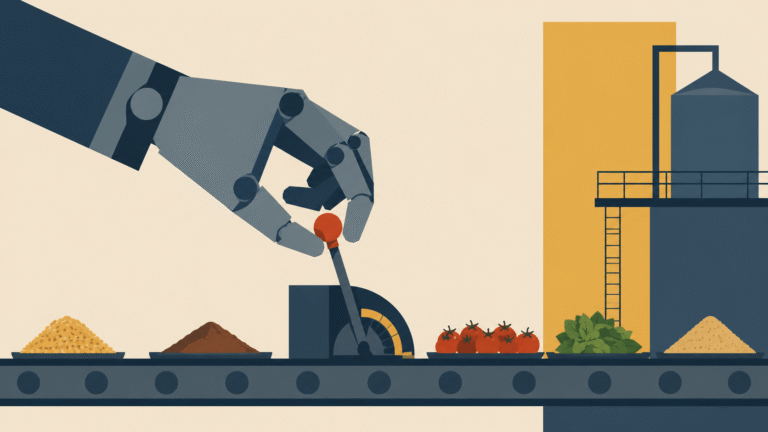
For food manufacturers specifically, the implications are concrete. Reformulation cannot be limited to reducing sugar in isolation. It requires rethinking carbohydrate quality, reducing reliance on frying and high-heat processing that generates AGEs, and increasing the protein density of affordable staple products. These are not aspirational goals – they are the specific levers that the ICMR–INDIAB data identifies as capable of shifting population-level metabolic risk.
India is not the developing world’s cautionary tale. It is the developing world’s roadmap – if those with the power to act on it are willing to read it carefully.
Key Sources
- Anjana RM, Mohan V et al. Dietary profiles and associated metabolic risk factors in India from the ICMR–INDIAB survey. Nature Medicine, September 2025.
- Anjana RM, Mohan V et al. Metabolic non-communicable disease health report of India: the ICMR–INDIAB national cross-sectional study (ICMR–INDIAB-17). Lancet Diabetes & Endocrinology, 2023.
- ICMR/MDRF. Fried, baked and ultra-processed foods and AGE accumulation in Indian adults. International Journal of Food Sciences and Nutrition, 2024.
- Mohan V, Anjana RM, Tandon N. Lessons learnt from the ICMR–INDIAB study. National Medical Journal of India, 2023.
Dr V Mohan was interviewed for Metabolica on 20th March 2026
Dr V. Mohan Diabetes Specialist | LinkedIn